
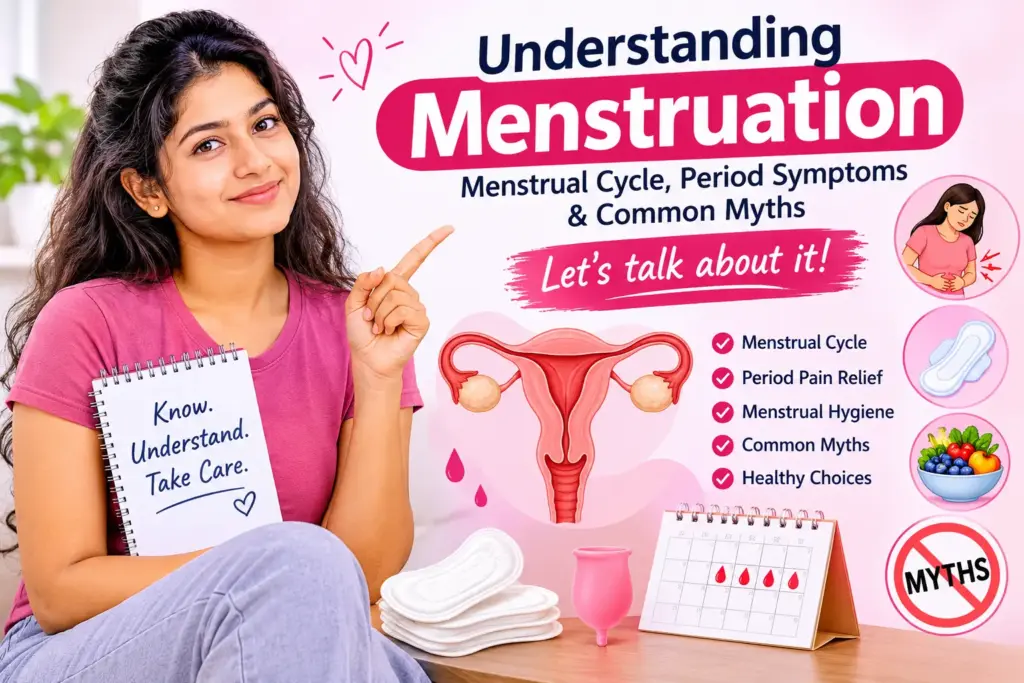
A Guide to the Menstrual Cycle, Period Health and Common Misconceptions
Menstruation is a natural biological process that plays an important role in the reproductive health of people who have a menstrual cycle. Despite being a normal part of life, it is still surrounded by misconceptions, cultural restrictions and a lack of accurate information in many parts of the world.
Understanding how the menstrual cycle works, recognising common symptoms and knowing what is normal or unusual can help people make informed decisions about their health. It is equally important to create an environment where menstruation can be discussed openly, without embarrassment or unnecessary stigma.
Understanding the Menstrual Cycle
The menstrual cycle is a natural monthly process controlled by changes in reproductive hormones. It involves the ovaries and uterus working together to prepare the body for a possible pregnancy.
The first day of menstrual bleeding is considered Day 1 of the menstrual cycle. During this cycle, an egg develops inside one of the ovaries. At the same time, the lining of the uterus gradually becomes thicker to prepare for the possibility of a fertilised egg implanting there.
In a typical 28-day cycle, ovulation usually occurs around Day 14. This is when an ovary releases a mature egg. However, ovulation does not always happen on the same day for everyone, as cycle lengths naturally vary.
If the egg is fertilised by sperm, it may implant in the uterine lining and pregnancy can begin. If fertilisation does not occur, hormone levels change, causing the uterine lining to break down and leave the body through the vagina as menstrual bleeding.
Although a 28-day cycle is often used as an example, not everyone experiences the same cycle length. For most adults, menstrual cycles lasting between 21 and 35 days are considered normal. Some variation from month to month is also common.
Common Symptoms During Menstruation
Many people experience physical and emotional changes before or during their menstrual period. These symptoms are often related to hormonal changes and the natural contractions of the uterus.
Some common symptoms include:
- Abdominal cramps and lower abdominal pain.
- Lower back pain.
- Breast tenderness or discomfort.
- Bloating.
- Headaches.
- Fatigue and tiredness.
- Mood changes and irritability.
- Nausea or a feeling of wanting to vomit.
These symptoms can vary from person to person. Some experience only mild discomfort, while others may find that menstrual pain affects their daily activities.
Although mild cramps are common, severe or persistent pain should not simply be ignored. It may sometimes be associated with conditions such as endometriosis or other reproductive health problems.
How to Manage Menstrual Pain
Menstrual cramps are common, but there are several ways to manage the discomfort and make this time more comfortable.
1. Use a Warm Compress
Applying a hot water bottle or heating pad to the lower abdomen can help relax the muscles and reduce menstrual cramps.
2. Consider Pain Relief Medication
Over-the-counter pain relief medicines, such as paracetamol or anti-inflammatory medicines like mefenamic acid, may help manage menstrual pain.
However, medicines should always be used according to the recommended dosage and instructions. Mefenamic acid is not suitable for everyone, and frequent or inappropriate use of painkillers can cause health problems. If you are unsure which medicine is appropriate, seek advice from a healthcare professional.
3. Stay Physically Active
Light exercise, walking, stretching and gentle yoga may help reduce menstrual discomfort. Regular physical activity can also support overall health.
4. Seek Medical Advice When Necessary
If menstrual pain is severe, regularly interrupts your daily routine or does not improve with ordinary pain relief methods, consult a healthcare professional. Persistent pain should be properly evaluated rather than treated as something everyone has to tolerate.
Breast Pain and Menstrual Changes
Breast tenderness is another symptom that some people experience during their menstrual cycle. It is often associated with hormonal changes before menstruation and usually improves once the period begins or ends.
However, breast pain that continues outside the menstrual cycle, does not improve or occurs alongside other unusual changes should be discussed with a healthcare professional.
It is important to understand that breast pain alone is unlikely to be a sign of breast cancer. Nevertheless, a new lump, changes in breast shape, skin changes or unusual nipple discharge should be medically assessed.
Being aware of changes in your body is an important part of maintaining good breast health.
Irregular Periods During Adolescence
One common concern among teenagers is experiencing irregular periods after their first menstruation.
When menstruation first begins during puberty, the body is still adjusting to hormonal changes. As a result, menstrual cycles may be irregular during the first few years. Some teenagers may experience a gap of several weeks or longer between periods.
This can be part of normal development. However, it is important not to assume that every missed period is harmless.
If a teenager goes more than three months without a period, has unusually heavy bleeding or experiences severe pain, medical advice should be sought. A healthcare professional can determine whether the changes are related to normal development or another health condition.
Similarly, if periods repeatedly occur less than 21 days apart, it is worth discussing the pattern with a doctor.
Why Can a Menstrual Period Be Delayed?
A delayed menstrual period is a common experience and does not always indicate a serious health problem. Several factors can influence the menstrual cycle and affect when a period arrives.
Some common reasons include:
1. Stress and Emotional Pressure
Physical or emotional stress can affect the hormones responsible for regulating the menstrual cycle. Busy schedules, work pressure, anxiety and emotional difficulties may contribute to irregular periods.
2. Hormonal Contraception
Certain birth control methods can change menstrual bleeding patterns. Some may cause lighter periods, irregular bleeding or even stop periods temporarily.
3. Significant Weight Changes
Sudden weight gain, excessive weight loss or very low body weight can affect hormone production and interfere with regular ovulation.
4. Pregnancy
Pregnancy is an important possible reason for a missed period among people who are sexually active. If pregnancy is possible, taking a pregnancy test is a sensible first step.
5. Hormonal Imbalances and Medical Conditions
Conditions such as polycystic ovary syndrome (PCOS) and thyroid disorders can affect the menstrual cycle. Medical assessment may be necessary to identify the underlying cause.
6. Changes in Daily Routine
Changes in sleep patterns, intense physical activity, travelling and major lifestyle adjustments may sometimes affect the timing of menstruation.
7. Medication Use
Some medicines and treatments can influence hormone levels and menstrual patterns. If your periods change after starting a medication, discuss this with your healthcare provider.
If you experience repeated missed periods or a significant change in your usual menstrual pattern, it is important to seek medical advice rather than relying on assumptions.
Is Vaginal Discharge Normal?
Vaginal discharge is a natural part of reproductive health. Its amount, consistency and appearance can change throughout the menstrual cycle because of hormonal fluctuations, particularly changes in oestrogen and progesterone.
Normal vaginal discharge is generally clear or white and does not usually have a strong or unpleasant smell. Its consistency may become thinner, wetter and more stretchy around ovulation.
However, certain changes should not be ignored.
You should consider seeking medical advice if vaginal discharge:
- Has a strong or unpleasant smell.
- Changes to an unusual green, yellow or grey colour.
- Is accompanied by itching, irritation or soreness.
- Causes pain during urination.
- Occurs alongside pelvic pain or unusual bleeding.
These symptoms may indicate an infection or another health concern that requires medical attention.
Is It Safe to Have Sex During Menstruation?
Having sex during menstruation is not medically prohibited if both partners are comfortable and give their consent.
However, it is important to understand that pregnancy is still possible during menstrual bleeding, particularly for people with shorter or irregular cycles. Menstruation does not provide reliable contraception.
There is also a possibility of sexually transmitted infections (STIs), regardless of whether someone is menstruating. Using condoms and practising safer sex can help reduce these risks.
Understanding reproductive health means making informed decisions rather than relying on myths or assumptions.
Common Menstrual Myths and the Facts Behind Them
Although menstruation is a natural biological process, many misconceptions continue to influence how people think and behave during their periods. These beliefs can be found across different cultures and communities.
Let’s look at some common menstrual myths and understand what science actually says.
Myth 1: You Should Not Take a Bath or Shower During Your Period
Fact: There is no medical reason to avoid bathing or showering during menstruation.
Maintaining personal hygiene is particularly important during this time. Regular bathing helps keep the body clean, removes sweat and supports general comfort.
Swimming is also possible during menstruation. Appropriate menstrual products, such as tampons or menstrual cups, can be used according to their instructions.
Menstruation should never be a reason to avoid normal hygiene activities.
Myth 2: Eating Meat and Oily Foods Is Harmful During Menstruation
Fact: There is no general medical rule that prohibits eating meat or oily foods during menstruation.
The body needs a balanced diet throughout the menstrual cycle. Foods containing iron, protein, vitamins and minerals can support general health, particularly because menstrual bleeding involves blood loss.
Drinking enough water is also important for maintaining hydration.
However, regularly consuming excessive amounts of highly processed or greasy foods is not ideal for overall health, whether during menstruation or on ordinary days.
A balanced diet is always a better choice than following unnecessary food restrictions.
Myth 3: Menstrual Blood Is Dirty or Impure
Fact: Menstrual blood is not dirty, poisonous or harmful.
It consists of blood, uterine lining tissue and other natural fluids released from the body during menstruation.
The belief that menstrual blood is impure has contributed to social stigma and restrictions in different cultures. In some communities, menstruating people are still discouraged from participating in everyday social, religious or cultural activities.
These beliefs should not be confused with medical facts. Menstruation is a normal biological process and should never be a reason to treat someone as unclean or inferior.
Myth 4: Exercising or Playing Sports During Periods Is Harmful
Fact: Physical activity during menstruation is generally safe.
There is no medical requirement to stop exercising, playing sports or participating in everyday physical activities during a period.
In fact, gentle exercise, walking, stretching and yoga may help reduce cramps and improve mood.
People who participate in sports can continue their activities using suitable menstrual products and comfortable clothing.
The most important thing is to listen to your body. Rest when needed, but do not feel that menstruation automatically prevents you from being physically active.
Why Menstrual Education Matters Around the World
Although access to health information has improved through the internet, social media and educational programmes, accurate menstrual education is still not equally available to everyone.
In many communities around the world, menstruation remains a sensitive topic. Young people may feel uncomfortable discussing periods with parents, teachers or healthcare professionals. As a result, they sometimes depend on information from friends, relatives or unreliable online sources.
This can lead to misunderstandings about menstrual health, unnecessary fear and harmful practices.
A lack of menstrual education can also affect confidence, education, participation in sports and everyday social activities. In some parts of the world, limited access to affordable menstrual products and proper sanitation creates additional challenges.
Schools, families, healthcare professionals and community organisations all have an important role to play in addressing these issues.
Providing accurate, age-appropriate education can help young people understand their bodies, recognise unusual symptoms and make informed decisions about their reproductive health.
Menstrual education should not be limited to girls and women. Boys and men should also understand the basics of menstruation. Greater awareness can help create supportive families, healthier relationships and more inclusive communities.
Breaking the Silence Starts With Awareness
Menstruation is not a disease, a weakness or something that people should feel ashamed of. It is a natural biological process that deserves understanding, respect and proper healthcare.
The myths surrounding menstruation may have existed for generations, but that does not make them medically correct. Before accepting information about menstrual health, it is important to consider whether it is supported by reliable scientific evidence.
Everyone deserves access to accurate information about their body, regardless of their age, background, culture or geographical location.
If you have reliable knowledge about menstrual and reproductive health, sharing it within your family, school, workplace and community can make a meaningful difference.
Sometimes, a simple conversation can help someone understand their body better, challenge a harmful misconception or seek medical advice when they need it.
Let’s break the silence, challenge menstrual myths and make accurate menstrual health education accessible to everyone.
Comments