
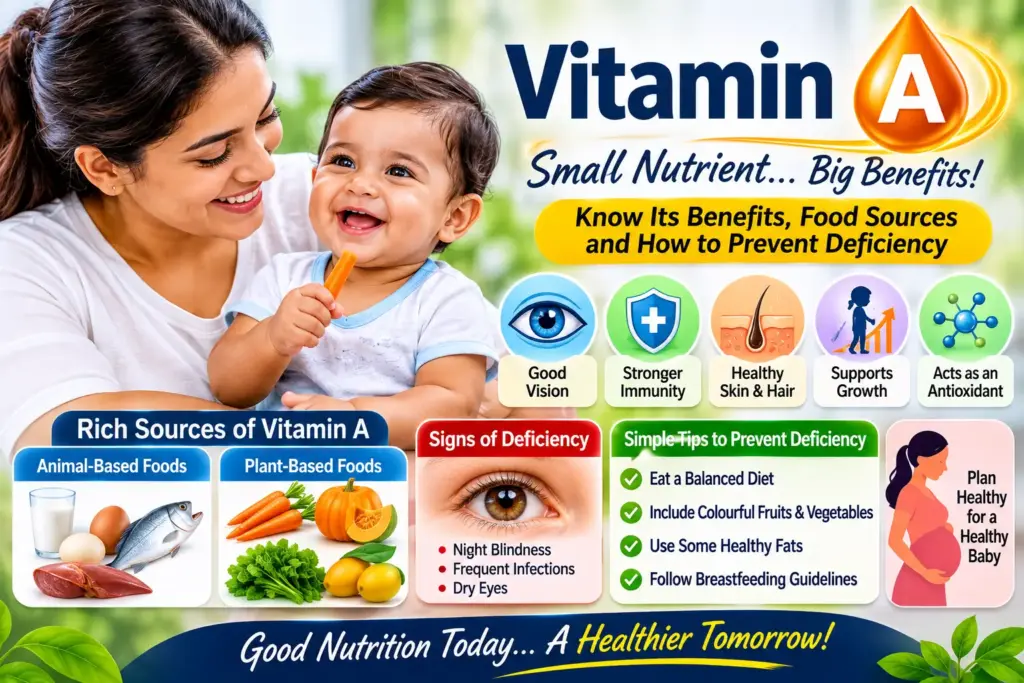
Vitamin A is an essential nutrient that plays an important role in keeping our bodies healthy. It supports good vision, strengthens the immune system and helps maintain healthy skin and body tissues. It is also particularly important for the normal growth and development of babies and children.
Although vitamin A is found in many everyday foods, some people around the world do not get enough of it through their diet. Children, in particular, can be vulnerable to vitamin A deficiency, which may affect their eyesight and increase their risk of certain infections.
So, what exactly is vitamin A, where can we get it, and how can we prevent a deficiency?
Let’s take a closer look.
What Is Vitamin A?
Vitamin A is a fat-soluble vitamin that the body needs for several important functions. Unlike water-soluble vitamins, it can be stored in the body, mainly in the liver.
There are two main forms of vitamin A found in food:
- Preformed vitamin A: Found mainly in animal-based foods such as meat, fish, milk and eggs. It is also present in particularly high amounts in liver.
- Provitamin A carotenoids: Found in plant-based foods, especially colourful fruits and vegetables. The body can convert certain carotenoids, such as beta-carotene, into vitamin A.
Both forms help the body maintain normal health and function.
How Do We Get Vitamin A?
Vitamin A can be obtained from a variety of animal-based and plant-based foods. Including different sources in your daily meals is a good way to support an adequate intake.
1. Animal-Based Food Sources
Some animal products naturally contain preformed vitamin A.
Examples include:
- Meat, particularly liver.
- Fish and oily fish.
- Milk and dairy products.
- Eggs.
- Cheese.
2. Plant-Based Food Sources
Certain colourful fruits and vegetables contain carotenoids that the body can convert into vitamin A.
Good examples include:
- Carrots.
- Pumpkin.
- Sweet potatoes.
- Mangoes.
- Papaya.
- Dark green leafy vegetables such as spinach and other leafy greens.
Orange, yellow and dark green vegetables are particularly useful sources of provitamin A carotenoids.
Eating a variety of these foods helps provide different nutrients that support overall health.
Why Is Vitamin A Important for Our Body?
Vitamin A is involved in several essential processes. Getting enough of this vitamin is important throughout life, from infancy to adulthood.
Here are five important functions of vitamin A.
1. Supports Healthy Vision
One of the best-known functions of vitamin A is maintaining healthy eyesight.
It helps the eyes function properly, particularly in low-light conditions. Vitamin A is needed to produce a substance involved in the process of seeing in dim light.
A deficiency can lead to night blindness, making it difficult to see clearly when lighting is poor.
Severe and prolonged deficiency can cause serious eye problems and may eventually lead to permanent blindness.
2. Supports the Immune System
Vitamin A helps maintain the body’s natural defence system.
It supports the normal functioning of immune cells and helps maintain the protective barriers found in the eyes, respiratory tract and digestive system.
When the body does not receive enough vitamin A, its ability to respond to infections may be affected.
3. Maintains Healthy Skin and Body Tissues
Vitamin A helps maintain healthy skin and the mucous membranes that line different parts of the body, including the respiratory and digestive tracts.
These tissues act as protective barriers against harmful microorganisms and other external substances.
It also plays an important role in normal cell growth and tissue maintenance.
4. Provides Antioxidant Benefits Through Carotenoids
Some plant-based sources of vitamin A, particularly carotenoids such as beta-carotene, have antioxidant properties.
Antioxidants help protect cells from damage caused by unstable molecules known as free radicals.
However, it is important to understand that not all forms of vitamin A act as antioxidants in the same way. The antioxidant effects are mainly associated with certain carotenoids.
5. Supports Cell Growth and Development
Vitamin A is essential for normal cell growth, division and differentiation.
These processes help the body develop and maintain healthy organs and tissues. Vitamin A is particularly important during childhood, when the body is growing rapidly.
It also contributes to normal reproductive health and the development of a baby during pregnancy.
Understanding Vitamin A Deficiency
Vitamin A deficiency occurs when the body does not receive or absorb enough vitamin A to meet its needs.
It remains a significant nutritional problem in several parts of the world, particularly in communities where food insecurity, poor dietary diversity and malnutrition are common.
Preschool-age children are among the groups most vulnerable to vitamin A deficiency.
Children who do not get enough vitamin A may have a greater risk of developing infections and experiencing complications from certain illnesses.
Common health problems associated with vitamin A deficiency include:
- Night blindness.
- Dryness of the eyes.
- Severe eye damage in advanced cases.
- Increased susceptibility to infections.
- Problems with normal growth and development.
Vitamin A deficiency is also associated with a greater risk of serious illness and complications from infections such as measles and diarrhoeal diseases.
It is important to understand that vitamin A deficiency does not necessarily mean a child will develop these illnesses. Rather, inadequate vitamin A can make certain infections more dangerous.
How Can We Prevent Vitamin A Deficiency?
A healthy and varied diet is one of the most important ways to prevent vitamin A deficiency.
Here are some practical steps that can help.
1. Include Vitamin A-Rich Foods in Your Daily Diet
Try to include foods containing vitamin A or provitamin A carotenoids in your regular meals.
For example, you can add carrots, pumpkin, leafy vegetables, eggs, fish and dairy products to your diet.
Eating a variety of foods helps ensure that your body receives different essential nutrients.
2. Improve Dietary Diversity
Avoid depending on only a few types of food every day.
Include different coloured vegetables, fruits, whole grains, protein-rich foods and suitable sources of healthy fats.
A varied diet can help reduce the risk of several nutritional deficiencies, including vitamin A deficiency.
3. Include a Small Amount of Healthy Fat
Vitamin A is a fat-soluble vitamin, which means that dietary fat helps the body absorb it.
When preparing meals containing vitamin A-rich vegetables, including a small amount of healthy fat can support the absorption of carotenoids.
For example, you can use a little vegetable oil when preparing leafy vegetables, carrots or pumpkin.
4. Avoid Excessive Cooking
Cooking methods can influence the nutritional quality of food.
Try not to cook vegetables for unnecessarily long periods or expose them to excessive heat.
Steaming, lightly sautéing and other suitable cooking methods can help preserve overall food quality. Cooking some vegetables can also make carotenoids easier for the body to absorb.
For example, when preparing leafy vegetables, avoid prolonged cooking that causes unnecessary loss of colour and quality.
The aim is to prepare vegetables properly without overcooking them.
5. Follow Medical Advice About Supplements
In some communities, particularly where vitamin A deficiency is a public health concern, healthcare programmes provide vitamin A supplements to eligible children.
However, supplements are not necessary for everyone.
Taking excessive amounts of vitamin A can cause toxicity because the body stores it rather than simply eliminating all excess amounts.
Always follow the advice of a qualified healthcare professional before giving vitamin A supplements to children or taking high-dose products yourself.
How Can We Prevent Vitamin A Deficiency in Babies?
Babies need adequate vitamin A for healthy growth, development and immune function.
Breastfeeding and appropriate complementary feeding play important roles in meeting their nutritional needs.
Here are some important recommendations.
1. Give Your Baby Colostrum After Birth
Colostrum is the first breast milk produced after childbirth. It is usually thicker and yellowish in colour and contains important nutrients and protective substances.
It is also a valuable source of vitamin A.
Mothers are encouraged to begin breastfeeding as soon as possible after birth, ideally within the first hour, if circumstances allow.
Giving your baby this first milk is an important part of early infant feeding.
2. Exclusively Breastfeed for the First Six Months
The World Health Organization recommends exclusive breastfeeding during the first six months of life.
This means babies should receive only breast milk, without additional water, other drinks or solid foods, unless medically indicated.
Breast milk provides important nutrients, including vitamin A, and supports the baby’s growth and development.
3. Continue Breastfeeding Until Two Years or Beyond
After six months, babies begin to need additional nutrients that breast milk alone may not provide in sufficient amounts.
At this stage, introduce appropriate complementary foods while continuing breastfeeding.
WHO recommends continuing breastfeeding until two years of age or beyond.
4. Include Suitable Dietary Fat in Complementary Foods
When preparing complementary foods for babies, include suitable sources of dietary fat as part of a balanced diet.
A small amount of vegetable oil or other appropriate fat can help with the absorption of fat-soluble vitamins, including vitamin A.
Offer age-appropriate foods such as mashed vegetables, pumpkin, carrots and other nutrient-rich ingredients.
Complementary foods should have an appropriate texture and consistency for the baby’s age and developmental stage.
5. Continue Breastfeeding During Illness
If your baby becomes unwell, continue breastfeeding whenever possible.
Breast milk provides fluids and nutrients and can help support the baby during recovery.
During illnesses such as diarrhoea, frequent breastfeeding is particularly important to help maintain fluid intake.
If your baby is unable to breastfeed, shows signs of dehydration or becomes unusually weak, seek medical attention.
6. Maintain Good Maternal Nutrition
A mother’s nutritional health can influence the vitamin A content of her breast milk.
Therefore, breastfeeding mothers should aim to eat a balanced and varied diet containing vitamin A-rich foods.
Suitable choices include eggs, fish, dairy products, carrots, pumpkin, mangoes and dark green leafy vegetables.
If you are breastfeeding and concerned about your nutritional intake, discuss your needs with a healthcare professional.
A Final Word About Vitamin A
Vitamin A may be needed in relatively small amounts, but its role in maintaining good health is significant.
From supporting eyesight and immunity to helping children grow and develop, this vitamin contributes to many essential functions in the body.
The good news is that many everyday foods can provide vitamin A. Including a variety of animal-based and plant-based foods in your meals is a practical way to support healthy nutrition.
For babies, early breastfeeding, exclusive breastfeeding during the first six months and continued breastfeeding alongside suitable complementary foods can help support their nutritional needs.
A balanced diet today can help protect your health and support a healthier future.
Medical Disclaimer
This article is intended for general educational purposes only and should not replace professional medical advice. Vitamin A requirements vary according to age, health status and life stage. High-dose vitamin A supplements can be harmful, particularly during pregnancy. Always consult a qualified healthcare professional before using vitamin A supplements or giving them to children.
Comments