
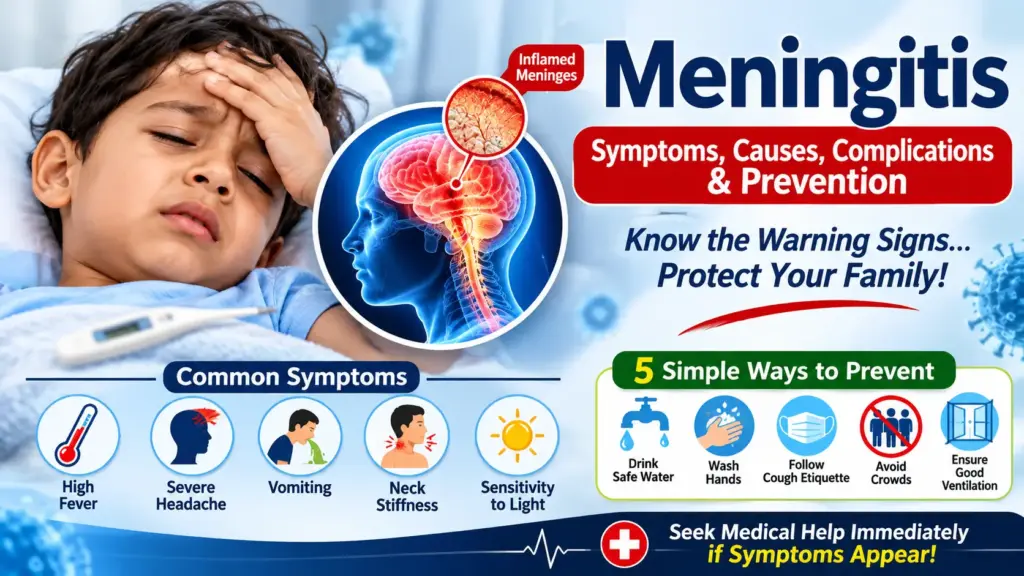
Meningitis is a disease that deserves everyone’s attention. Although many people have heard of it, not everyone understands how serious it can become or how quickly it may affect someone’s health.
It can affect people of all ages, including babies, young children, teenagers and adults. However, children and young people are particularly vulnerable to certain types of meningitis.
What makes this condition especially concerning is that some forms can progress rapidly. A person who initially experiences fever and a headache may develop much more serious symptoms within a short period.
The good news is that understanding the warning signs, following good hygiene practices and receiving appropriate vaccinations can help reduce the risk.
Let’s take a closer look at what meningitis is, how it spreads, the symptoms to watch for and the steps you can take to protect yourself and your family.
What Is Meningitis?
To understand meningitis, it helps to know a little about how the brain is protected.
Your brain and spinal cord are surrounded by three protective layers of tissue called the meninges. These layers help protect the central nervous system.
When these protective membranes become inflamed, the condition is known as meningitis.
Meningitis can develop due to several causes, including:
- Bacterial infections: Bacterial meningitis is particularly dangerous and can become life-threatening without prompt treatment.
- Viral infections: Viral meningitis is more common and is often less severe than bacterial meningitis, although serious cases can occur.
- Fungal infections: These are less common and mainly affect people with weakened immune systems.
- Other causes: Certain parasites, medical conditions, injuries and medications can also cause inflammation of the meninges.
It is important to understand that not all forms of meningitis are the same. The cause determines how the condition spreads, how serious it may become and what treatment is needed.
Common Symptoms of Meningitis
One of the most important things to remember about meningitis is that its symptoms can appear suddenly.
For some infectious causes, symptoms develop within a few days of exposure. However, the incubation period varies depending on the organism responsible. For example, meningococcal disease typically has an incubation period of around 2–10 days.
Some of the most common warning signs include:
1. Sudden High Fever
A sudden increase in body temperature is one of the common symptoms of meningitis.
The person may experience a high fever, chills and a general feeling of being extremely unwell.
A fever accompanied by a severe headache or neck stiffness should never be ignored.
2. Severe Headache
Meningitis can cause a very intense headache that feels different from an ordinary headache.
The pain may become increasingly uncomfortable and can be accompanied by nausea, vomiting or sensitivity to light.
If someone develops an unusually severe headache along with fever or other meningitis symptoms, they need urgent medical assessment.
3. Nausea and Vomiting
Some people with meningitis experience nausea and repeated vomiting.
These symptoms may occur alongside a severe headache and fever.
Although vomiting can happen with many common illnesses, it becomes more concerning when it appears together with other warning signs of meningitis.
4. Neck Stiffness
Neck stiffness is one of the well-known symptoms associated with meningitis.
A person may experience pain or difficulty when trying to bend their neck forward.
This can happen because inflammation affects the protective tissues surrounding the brain and spinal cord.
However, not everyone with meningitis develops neck stiffness, so its absence does not rule out the disease.
5. Sensitivity to Light (Photophobia)
Another symptom is photophobia, which means unusual sensitivity to light.
Bright sunlight, room lighting or even a phone screen may become uncomfortable to look at.
Some people may prefer to stay in a dark room because exposure to light makes their headache or discomfort worse.
6. Symptoms in Babies and Young Children
Recognising meningitis in babies can be particularly difficult because they may not be able to explain what they are feeling.
Instead of the typical symptoms seen in adults, parents may notice:
- Excessive or unusual crying.
- Refusing breast milk or other feeds.
- Unusual sleepiness or difficulty waking.
- Reduced activity or a lack of normal responses.
- Irritability and unusual behaviour.
- A bulging soft spot on the head in some babies.
Some babies may also develop vomiting, fever or an unusually weak or high-pitched cry.
If you notice these symptoms and suspect meningitis, seek emergency medical care immediately.
Important: Not everyone with meningitis experiences all the symptoms listed above. A rash may also develop in some cases of meningococcal disease, particularly when there is a bloodstream infection. A rash that does not fade when pressed is an emergency warning sign, but you should never wait for a rash to appear before seeking medical help.
How Does Meningitis Spread?
The way meningitis spreads depends on what causes it. Different bacteria and viruses can enter the body through different routes.
Some of the important transmission routes include:
1. Through Respiratory Droplets and Throat Secretions
Certain bacteria that cause meningitis can spread from person to person through respiratory droplets and secretions from the nose and throat.
These can be released when an infected person coughs, sneezes or has close contact with another person.
Meningococcal bacteria, for example, are commonly spread through close or prolonged contact.
Sharing living spaces, intimate contact and close interaction with an infected person can increase the risk of exposure.
2. Through Contaminated Food and Water
Some viruses that can cause meningitis, particularly certain enteroviruses, may spread through the faecal-oral route.
This happens when tiny amounts of infected faecal material contaminate food, water or hands and are then swallowed by another person.
Poor sanitation and inadequate hand hygiene can increase the risk of these infections.
This is why clean drinking water, proper food handling and regular handwashing are important.
However, contaminated food and water are not the main transmission routes for every type of meningitis.
3. Through Close Contact
Close contact can contribute to the spread of certain organisms responsible for meningitis.
The risk may be higher among people who live together, share crowded accommodation or have prolonged close contact.
This is particularly relevant in households, schools, universities, childcare facilities and other environments where people spend a lot of time together.
It is worth remembering that simply being in the same room with someone who has meningitis does not automatically mean you will become infected.
The risk depends on the specific organism and the type of contact involved.
What Can Happen If Meningitis Is Not Treated in Time?
Meningitis should never be treated as an ordinary headache or fever.
Some forms, especially bacterial meningitis, can progress rapidly and cause permanent damage to the brain, nervous system and other organs.
Even people who survive a severe infection may experience long-term health problems.
Here are some of the serious complications that can develop.
1. Hearing Loss
Hearing loss is one of the recognised long-term complications of bacterial meningitis.
The infection and inflammation can damage structures involved in hearing.
Some people may experience partial hearing loss, while others may lose their hearing completely.
In certain cases, the damage may be permanent.
This is why hearing assessments are important during recovery from bacterial meningitis.
2. Brain Damage and Learning Difficulties
Severe meningitis can affect the brain and its normal functions.
Children may experience problems with memory, concentration, communication and learning after recovering from the infection.
Some may also develop speech difficulties or other neurological problems.
These complications can affect their education, daily activities and overall development.
3. Seizures
Inflammation affecting the brain and its surrounding tissues can sometimes trigger seizures.
A seizure may involve uncontrolled movements, loss of awareness or unusual changes in behaviour.
Some people experience seizures during the illness, while others may develop long-term neurological complications.
Anyone experiencing a first seizure needs urgent medical assessment.
4. Vision Problems
Meningitis can sometimes affect the nerves and structures involved in vision.
Depending on the severity of the infection, a person may experience blurred vision, reduced eyesight or, in severe cases, permanent vision loss.
5. Weakness and Movement Difficulties
Damage to the nervous system can affect muscle control and movement.
Some people may experience weakness in their arms or legs, difficulty walking or problems maintaining balance.
The severity of these problems varies from person to person.
6. Sepsis and Bloodstream Infection
One of the most dangerous complications associated with certain bacterial infections is sepsis.
Sepsis occurs when the body’s response to an infection causes damage to its own tissues and organs.
When meningitis-causing bacteria enter the bloodstream, the infection can become life-threatening.
Possible complications include:
- Kidney failure.
- Severe damage to tissues and organs.
- Dangerous drops in blood pressure.
- Circulatory failure and shock.
- Severe damage to limbs, which may sometimes require amputation.
- Death.
Sepsis can develop quickly and requires immediate emergency treatment.
Five Important Ways to Protect Yourself and Your Family From Meningitis
Although meningitis cannot always be prevented, there are several practical steps that can reduce the risk of certain infections.
1. Drink Safe and Clean Water
Always make sure the water you drink is safe.
Where the quality of drinking water is uncertain, use an appropriate safe-water treatment method, such as boiling or a properly maintained water filtration system.
Parents should also make sure that children’s school water bottles are cleaned regularly.
Clean drinking water and proper sanitation are particularly important in preventing infections that spread through contaminated food and water.
2. Wash Your Hands Properly
Handwashing is one of the simplest ways to reduce the spread of many infectious diseases.
Encourage children to wash their hands with soap and clean water:
- Before eating.
- After using the toilet.
- After playing outside.
- After coughing or sneezing into their hands.
- Before preparing or handling food.
Make sure children understand that washing their hands properly is not something they should do only when their hands look dirty.
3. Follow Good Respiratory Hygiene
Cover your mouth and nose when coughing or sneezing.
You can use a tissue or your bent elbow to prevent respiratory droplets from spreading.
Dispose of used tissues properly and wash your hands afterward.
If you are unwell with a respiratory infection, avoid close contact with others where possible. A face mask may also help reduce the spread of respiratory infections in appropriate situations.
4. Be Careful in Crowded Environments
Certain bacteria that cause meningitis can spread more easily through close and prolonged contact.
This is why crowded living environments and shared accommodation can increase exposure risks in some situations.
Whenever possible, maintain good hygiene in schools, childcare centres, workplaces and shared living spaces.
Make sure rooms have adequate ventilation and avoid sharing personal items such as drinking cups and toothbrushes.
However, there is no need to avoid all public places simply because meningitis exists. Focus on sensible hygiene practices and follow local public health advice during outbreaks.
5. Make Sure Vaccinations Are Up to Date
Vaccination is one of the most effective ways to prevent several important forms of bacterial meningitis.
Vaccines are available against:
- Meningococcal disease: Helps protect against certain strains of Neisseria meningitidis.
- Pneumococcal disease: Helps protect against infections caused by Streptococcus pneumoniae.
- Haemophilus influenzae type b (Hib): Helps prevent serious Hib infections, including meningitis.
Some vaccines that protect against viral infections, such as measles, mumps and chickenpox, can also reduce the risk of meningitis caused by those viruses.
Vaccine recommendations vary between countries, age groups and individual risk factors. Speak with a healthcare professional about which vaccinations are appropriate for you and your children.
When Should You Seek Medical Attention?
This is perhaps the most important part of understanding meningitis.
If you or your child develops a combination of fever, severe headache, neck stiffness, vomiting, unusual sleepiness or confusion, do not wait at home to see whether the symptoms improve.
Seek emergency medical care immediately.
Also, seek emergency help if you notice:
- A rash that does not fade when pressed.
- Difficulty waking someone.
- A seizure.
- Severe sensitivity to light with other meningitis symptoms.
- Cold hands and feet with fever and severe illness.
- Rapid breathing or unusual confusion.
You do not need to wait until every symptom appears. Meningitis can progress quickly, particularly bacterial meningitis.
Early diagnosis and treatment can save lives and reduce the risk of permanent complications.
How Is Meningitis Treated?
Treatment depends on the type of meningitis and the organism responsible.
Doctors may perform blood tests and collect a sample of cerebrospinal fluid (the fluid surrounding the brain and spinal cord) to identify the cause.
Bacterial meningitis is a medical emergency. Patients usually need hospital treatment with antibiotics given directly into a vein. They may also require IV fluids, oxygen and close monitoring.
Viral meningitis is often less severe. Many people recover with rest, fluids and medication to manage symptoms. However, some viral infections may require specific antiviral treatment or hospital care.
Fungal meningitis generally requires specialised antifungal medication and medical supervision.
The recovery period varies depending on the cause, severity and the person’s overall health. Some people recover fully, while others may need rehabilitation or long-term support for complications.
Final Thoughts
Meningitis is a serious health condition that can affect anyone, regardless of age or where they live.
Although some forms are relatively mild, bacterial meningitis can become life-threatening within a short period. Recognising the symptoms early and getting medical treatment without delay can make a significant difference.
Parents should pay particular attention to changes in their children’s behaviour, especially unusual crying, poor feeding, fever and excessive sleepiness.
Remember that prevention is not limited to avoiding crowded places or washing your hands. Keeping vaccinations up to date, practising good hygiene and following safe food and water practices are also important.
Your health and your family’s health matter. Learn the warning signs, take preventive measures and never ignore symptoms that could indicate meningitis.
Medical Disclaimer: This article is intended for general educational purposes only and should not replace professional medical advice, diagnosis or treatment. Suspected meningitis requires immediate medical assessment. Do not delay emergency care while attempting home remedies.
Comments